
Does My Doctor's Age Matter?
Folks at different stages of life tend to see the world differently.

In our office, sometimes our secretaries listen to background music. A few days before writing this, while walking through the office, I heard an iconic song, written and performed by a songwriting legend. Even someone like me, who was never deep into the music scene, automatically recognized it.
I asked our receptionist, a young lady, if she knew the song. She didn’t. I identified it for her and asked her again. She still didn’t know. I named the singer and asked if she knew him. She didn’t. (In order to maintain a high level of suspense, I will unmask the song and the artist for readers at the conclusion of this post.)
And how does any of this relate to a medical commentary platform? I’ll do my best. The still unnamed song would be immediately recognized by anyone in my hoary generation. And yet, it was simply off the radar screen of a typical millennial. Our knowledge of pop culture is age-dependent.
Folks at different stages of life tend to see the world differently.
A gastroenterologist who has just launched from training will be a different specialist than I am after decades of practice. While the diseases will largely be the same, new diagnostic tests and treatments will emerge over time. While we physicians can certainly adapt, we tend to be most comfortable with the tests and treatments we learned and practiced in our formative years. And treatments come, and treatments go. Yesterday’s medical dogma might be set aside tomorrow. Colonoscopies—a bedrock of gastroenterology—are destined for obsolescence.
I am certainly aware of a gap with respect to the knowledge base and therapeutic arsenal between new GI specialists and seasoned ones like me. Similar to my young secretary, who knew neither the artist nor the song, I may not even be aware of cutting-edge treatments that have been deployed. Conversely, many new GI practitioners might not know of the skills and experience that long-term practitioners bring to the table.
I don’t feel at all obsolete, and I believe I do my job well. But I practice differently now than I did during my younger days, having learned so much from experience, peers, and errors. This metamorphosis takes time. Consider this brilliant maxim: It takes 20 years to achieve 20 years of experience.
Sure, I do my best to remain current in my field, but increasingly, my medical journals are reporting on futuristic endoscopic techniques or complex treatment algorithms that are beyond my practice. Soon, personalized medical care will become routine, and treatments will be tailored to an individual patient’s genetic code. Doesn’t it seem rather clumsy that we give patients of all sizes, ages, and genders similar doses of medicines?
And you might already know that artificial intelligence will likely explode the medical profession, among other things. I’m not disappointed that I will be in a rocker on the front porch when AI takes over.
While I anticipate great progress in medicine in the years to come, we must recognize that not everything new is better or will endure. Physicians who have been around have seen many “medical breakthroughs” cast aside. Initial optimism championing a medical miracle may fade over time.
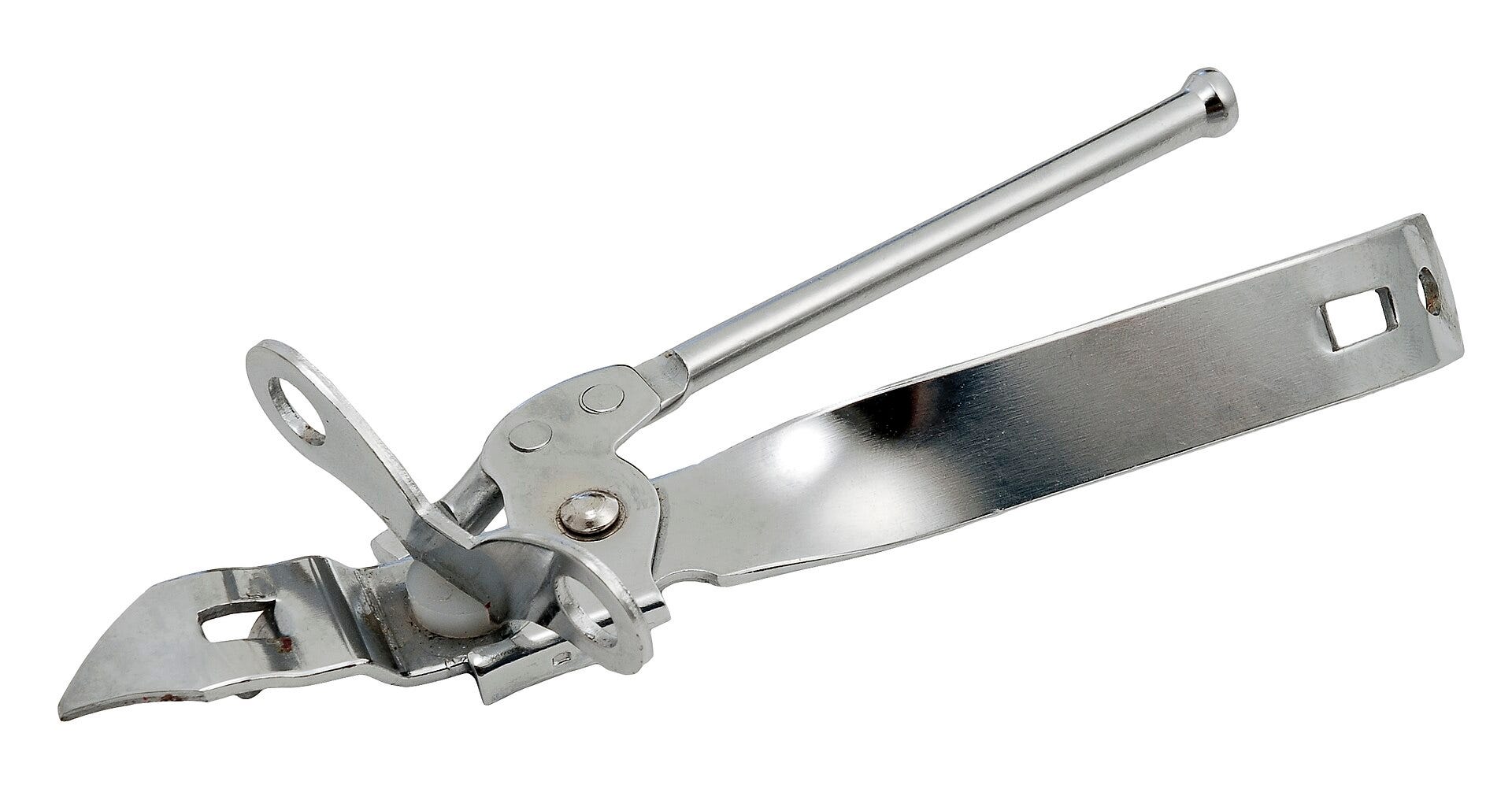
Different generations can learn a lot from each other. Youth can teach us about technology. And those of us who have actually used a manual can opener can remind them of the more wholesome era that we grew up in, when we enjoyed letters in longhand, engaged in actual human-to-human conversations, read real books, and heard our favorite songs on the radio, including classics like James Taylor’s folk rock standard Fire and Rain.
Im 77.
My guru psychiatrist-philosopher made this observation about his area.
You want your anaylyst to be OLD ENOUGH to have tremor that you would not want by your surgeon to have
So there was a Harvard study, like 730,000 Medicare patients, and the thing that actually predicted worse outcomes for older doctors wasn't being old. It was seeing fewer patients. Low volume. One extra body for every 77 patients in that group. The older docs who still carried a full panel did fine. You're kind of doing that already, right? Stepping back from scopes, not fighting it. I think that's the move honestly.What bugs me is the relicensing. You pay a fee every two years, do some CME hours, and that's it. Nobody sits you down and checks.James Taylor though. That reveal at the end.